Starlink Arrives in Sri Lanka: A Game-Changer for Internet Competition?
Sri Lanka’s internet landscape has long been dominated by two major players. For years, this virtual duopoly has allowed these providers to dictate terms, leaving consumers with limited choices and minimal leverage. While they do deliver reliable services, the lack of competition has led to a stagnation in innovation and pricing strategies, which ultimately stifles the overall growth of the digital ecosystem. Many consumers find themselves paying a premium for what could be seen as mediocre service options, creating frustration among those seeking better connectivity.
However, the arrival of Starlink, Elon Musk’s revolutionary satellite-based internet service, heralds a new era for Sri Lankan internet users. This innovative solution promises to break the mold by offering an alternative that could transform access to high-speed internet, particularly in rural and underserved regions. With its state-of-the-art satellite technology, Starlink has the potential to bridge the digital divide, bringing reliable internet access to areas that have historically been neglected.
Starlink’s entrance into the market is not just about providing another option; it represents a challenge to the status quo. It encourages existing ISPs to rethink their strategies, innovate, and enhance their service offerings to retain their customer base. The prospect of real competition can ignite a sense of urgency among providers, fostering improvements in infrastructure, customer service, and pricing structures.
What Happens Without Competition?
In markets like Sri Lanka, where two dominant ISPs operate without significant competition, consumers often find themselves paying high prices for services that don’t necessarily reflect the value they expect. These ISPs have little motivation to lower their rates or enhance their offerings because they know customers don’t have viable alternatives. This creates a market where the providers can continue with business as usual, focusing more on maintaining their margins than on delivering better value to customers.Think of it like a town with only two restaurants. Both places serve similar meals, but because they know no other dining options exist, they don’t need to improve the quality of their food or lower their prices. Whether it’s gourmet cuisine or basic sandwiches, the price remains high, and the service may be average. The residents of the town have no choice but to pay for the food, even if they aren’t fully satisfied. Without competition, there’s no reason for the restaurants to innovate, offer better deals, or even care much about customer satisfaction. The same principle applies to the internet market dominated by ISP A and ISP B.
In this kind of environment, the customer loses out while the providers benefit from the lack of pressure to improve or adjust their pricing. This is a common scenario across many industries where competition is scarce, leading to a stagnation in quality and affordability.
How Will Starlink Affect Competition?
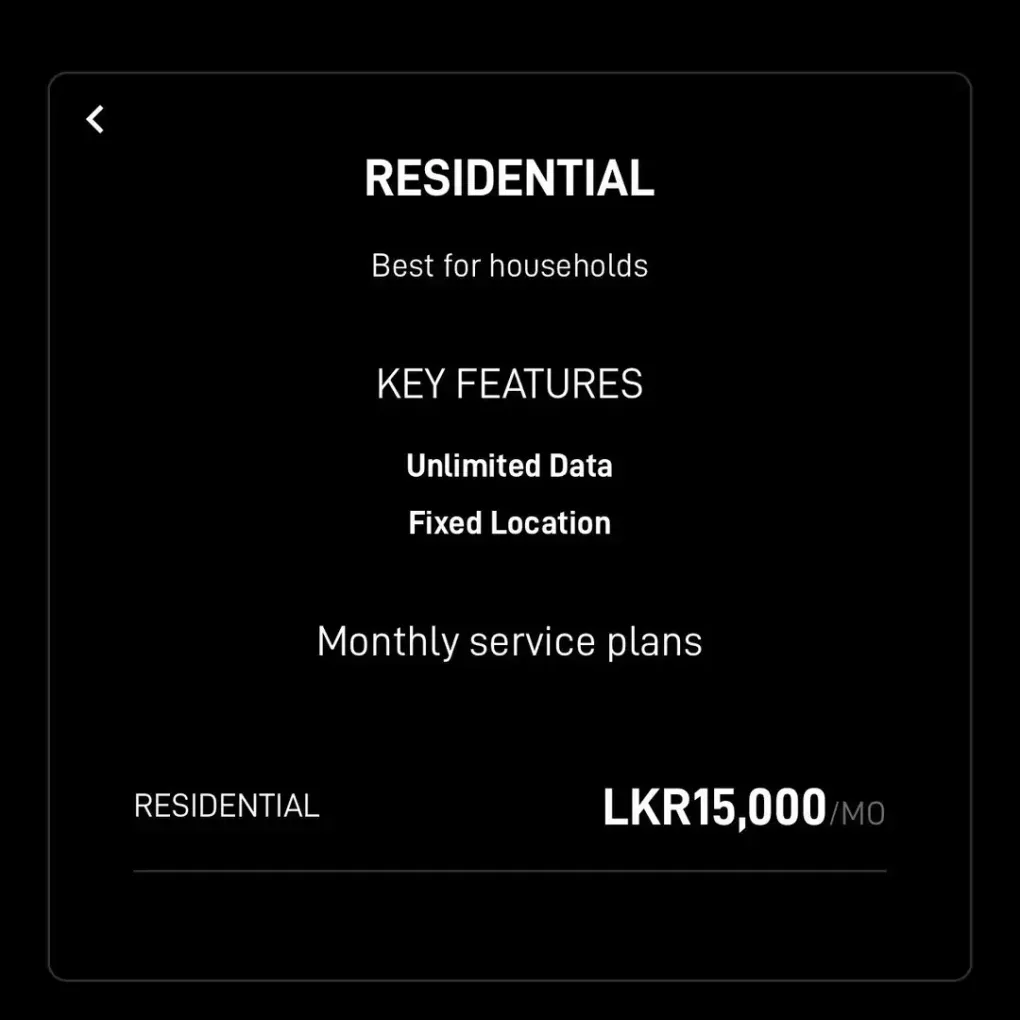
Starlink's arrival is poised to shake things up in Sri Lanka's internet landscape, particularly if it gains traction among consumers. While the monthly fee of LKR 15,000 may seem high to some, the appeal of unlimited data is a significant draw for many customers who have become accustomed to restrictive data caps with existing providers. As awareness of Starlink grows, its innovative approach to connectivity could prompt a paradigm shift in how internet services are perceived and valued.As more consumers begin to adopt Starlink, it could create a ripple effect that compels current ISPs to rethink their strategies. In markets worldwide, the entry of a new competitor often leads to heightened competition among existing players. Faced with the prospect of losing customers to a fresh alternative, established ISPs may respond in several ways to retain their market share.
One immediate response could be a reduction in prices. To match Starlink’s appeal, current ISPs might introduce competitive pricing strategies or promotional offers that make their services more attractive. This price war could benefit consumers by making internet access more affordable, breaking the cycle of high costs that has persisted due to the lack of competition.
Additionally, the existing ISPs may feel pressured to enhance their service offerings. This could involve improving bandwidth, increasing download speeds, or introducing new features like unlimited data packages or bundled services. Such enhancements would not only help retain current customers but also attract new ones who might be weighing their options between traditional ISPs and the novel offerings of Starlink.
Moreover, current ISPs could invest in upgrading their infrastructure to improve service quality and reliability, thereby addressing common customer pain points like latency and downtime. In doing so, they might increase their competitive edge against Starlink, ensuring that they provide a compelling alternative for users who prefer terrestrial internet solutions. Starlink's presence could also stimulate innovation in customer service and engagement strategies among the established providers. Understanding that consumers have a new option may encourage current ISPs to improve their customer support, introduce loyalty programs, or enhance user experiences through improved technology platforms.
Will Starlink Succeed in Sri Lanka?
The success of Starlink in Sri Lanka largely hinges on one critical factor: the installation cost. At LKR 105,000, the price is prohibitively expensive for many households, especially when compared to the more manageable installation fees offered by other two. This upfront investment presents a substantial barrier to entry for a significant portion of the population, particularly those in rural and underserved regions, who are often the most in need of reliable internet access.However, if Starlink can devise strategies to reduce this installation cost—whether through subsidies, financing options, or bulk discounts—it could dramatically alter its prospects in the market. Such initiatives could make the service more accessible, appealing to a broader range of consumers who currently find themselves stuck in a cycle of poor connectivity. The introduction of flexible payment plans could allow users to spread out the cost over time, making it easier for families and small businesses to invest in high-speed internet without straining their budgets.
Beyond the installation cost, the unique advantages of Starlink’s satellite technology could further enhance its appeal. With the capability to deliver high-speed internet to even the most remote corners of the island, Starlink has the potential to transform not just individual households, but entire communities. Farmers could leverage reliable internet access to connect with markets and access vital information, while students in rural areas could engage in online learning without interruptions.
The landscape of internet connectivity in Sri Lanka is ripe for disruption, and Starlink has the potential to become a game-changer if it can effectively navigate the challenges it faces. As the demand for reliable internet continues to rise, particularly in the wake of the global shift toward digital solutions, Starlink’s success will ultimately depend on its ability to offer an appealing and accessible service that resonates with the diverse needs of Sri Lankan consumers. If it can do so, it may not only succeed but could also play a pivotal role in redefining the country’s digital future.